Food costs are hard to control when the same recipe produces different portions, seasoning levels or results from one shift to the next. Reducing commercial kitchen food costs with automation starts with measurement, not an assumed savings claim: compare ingredient cost with food sales for the same reporting period, then identify where preparation varies or ingredients are wasted.
Manual cooking can make repeatability difficult, especially when teams are busy or staffing is tight. Automation supports food-cost control only when operators track ingredient use against consistent recipes and sales.
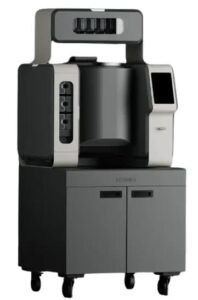
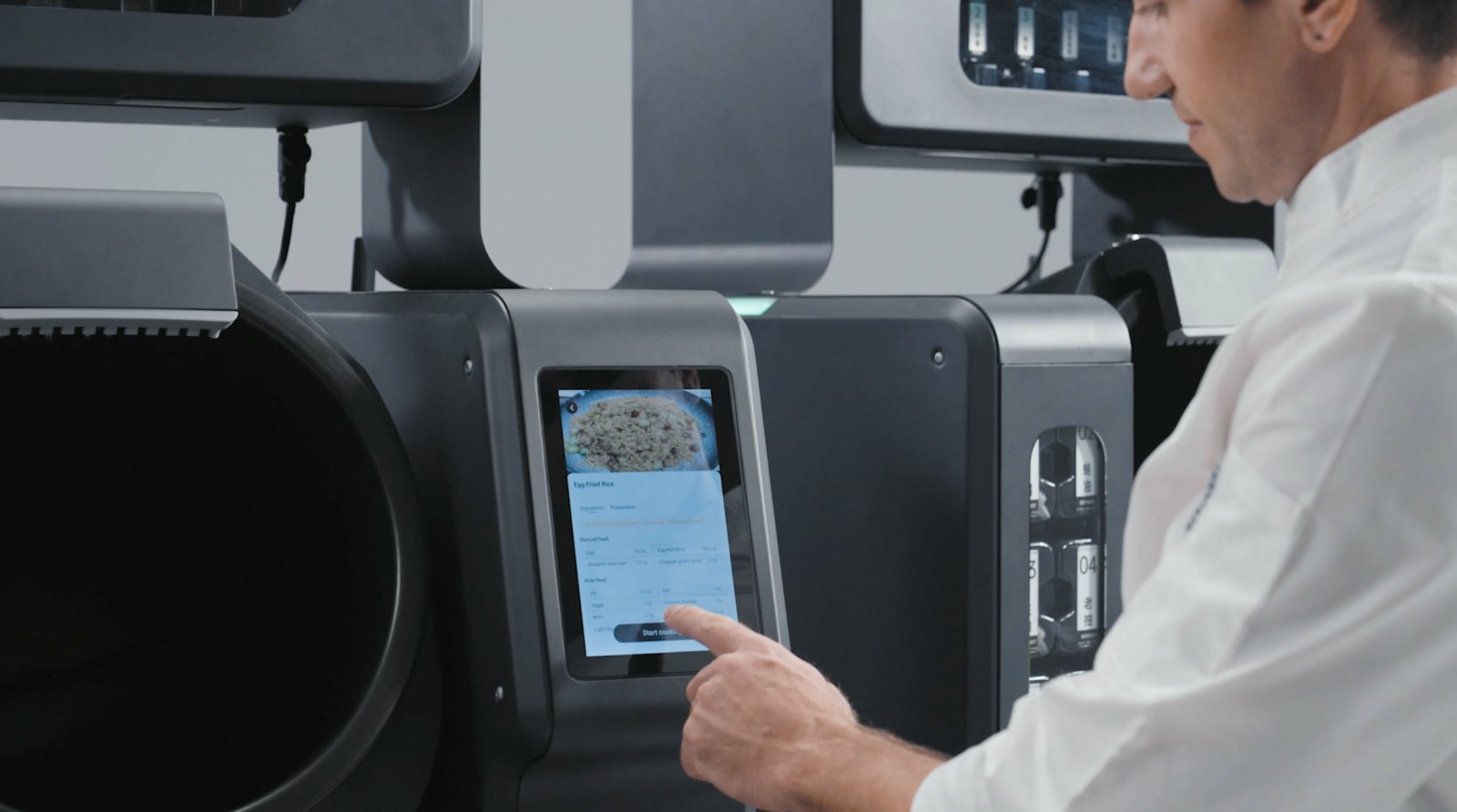
This guide explains how to calculate food cost percentage, find process-level sources of waste and assess whether automation can improve recipe consistency. The BOTINKIT OMNI Commercial Cooking Robot automates ingredient and seasoning dispensing, stirring and temperature control. Its digital recipe management helps teams follow programmed cooking instructions. These capabilities support repeatable execution, but your operating data must show whether ingredient results improve. Measure before and after implementation to assess ingredient results separately from labour outcomes.
Key Takeaways
- Calculate food cost percentage by dividing ingredient cost by food sales, then multiplying by 100. The result measures ingredient spending relative to food sales, not total operating expenses.
- Find controllable waste by reviewing where ingredient quantities, portions or recipe execution vary during preparation.
- Assess reducing commercial kitchen food costs with automation by consistently measuring ingredient use and sales, rather than assuming a savings outcome.
- Compare manual and automated processes across recipe execution, ingredient records and review, while keeping human judgement central to kitchen operations.
- BOTINKIT OMNI’s automated dispensing, stirring and digital recipe management support repeatable stir-frying, with batch capacity of up to 30 portions.
How food cost percentage works in a commercial kitchen
Food cost percentage shows how much of a kitchen’s food sales is represented by ingredient spending. It gives operators a focused way to monitor ingredient use and compare results over time. It does not measure the full cost of running a kitchen.
Food cost percentage equals ingredient cost divided by food sales, multiplied by 100. The result represents ingredient spending as a percentage of food sales.
For a symbolic example, if ingredient cost for a reporting period is A and food sales for that same period are B, calculate (A ÷ B) × 100. Keep the inputs and reporting period consistent so the result can inform decisions.
Which figures belong in a food cost percentage calculation?
Define which ingredient purchases and recipe inputs your operation counts as ingredient cost, then apply that method consistently. For example, decide how your records treat ingredients purchased for production. Changing what is included between reporting periods makes the comparison less useful. Food sales and ingredient cost should cover aligned periods. Comparing purchases from one period with sales from another can distort the result, particularly when purchasing and ingredient use happen at different times.
Document the accounting definitions or exclusions your team applies. Consistent inputs help you distinguish a genuine change in ingredient use from a change in bookkeeping.
Food cost percentage versus labour cost
Food cost percentage compares ingredients with food sales. Labour, equipment, utilities and other operating expenses are separate measures. Improved labour productivity may matter to the operation, but it does not, by itself, show that ingredient spending has fallen. Track ingredient results separately from labour outcomes.
That distinction matters when assessing reducing commercial kitchen food costs with automation. Ask a process-focused question: can measured dispensing, repeatable recipe instructions or consistent execution help the team control ingredient use? An automated restaurant may use technology in different ways, but the relevant outcome for this metric is whether ingredient cost changes relative to sales under a consistent calculation method. Treat automation as a process-control tool to evaluate with operating data, not a guaranteed reduction.
How cooking automation can influence ingredient use and consistency
Automation can make cooking steps more repeatable by dispensing ingredients, applying programmed recipe instructions and carrying out cooking actions in a consistent sequence. This gives operators a clearer basis for reviewing ingredient use across shifts or locations. It does not, on its own, prove that less food was used or that food cost percentage improved.
Consistent recipe execution makes ingredient comparisons more useful because operators can compare like with like across cooking cycles. For a fair assessment, keep the recipe, portion target and measurement method consistent, then review ingredient records alongside sales data. Treat waste prevention as a potential operational outcome to measure, not a guaranteed result of introducing automation.
How automated seasoning and ingredient dispensing affect repeatability
With automated seasoning, programmed instructions determine how seasoning is applied during a recipe. Ingredient dispensing can standardize recipe inputs from one cooking cycle to the next, reducing the need for staff to repeat each step manually. BOTINKIT OMNI supports ingredient and seasoning dispensing for automated stir-frying. These capabilities help teams follow a defined process while staff retain responsibility for oversight and food quality.
Measure the outcome rather than assuming one. Record the quantities used for a dish, the portions produced and any discarded food. Repeating the recipe under comparable conditions makes it easier to spot changes in ingredient input or waste over time.
Why digital recipe management matters to food-cost tracking
Digital recipe management keeps cooking instructions and parameters consistent for the recipes being compared. It supports repeatable execution, but does not replace purchasing, inventory or sales records. Operators still need those records to understand ingredient availability, actual usage and the sales mix. Supplier changes, menu mix and sales can affect food cost results even when portioning and recipe execution remain consistent.
For Canadian franchises, shared digital recipe instructions can help locations prepare the same dishes to a common standard. To assess the results, pair that recipe consistency with each location’s ingredient and sales data. When you calculate your food cost percentage, use aligned reporting periods and a consistent method, then interpret the result alongside recipe-level records. This helps distinguish changes in ingredient use from other influences on the percentage.
Reducing commercial kitchen food costs with automation requires a disciplined comparison: standardize the cooking process, measure ingredient use, and account separately for supplier costs, menu mix and sales. This evidence helps operators decide where automated cooking supports stronger control and where other factors need attention.
Manual cooking and automation: compare the process, not just the equipment
A useful comparison looks at how the kitchen prepares and records a dish, not simply whether a robot is present. Review the same recipe, serving basis and reporting period where practical. Record changes in ingredients, staff actions or operating conditions that could affect the result. This helps separate process differences from shifts in purchasing or demand.
| Review area | Manual process | Automated process |
|---|---|---|
| Recipe execution | Staff follow recipe instructions, with execution potentially varying by person or shift. | Programmed recipe steps can support more repeatable cooking cycles; staff oversee the process and product. |
| Ingredient recording | Staff record quantities using the operation’s chosen method. | Dispensing can standardize recipe inputs, while purchasing and inventory records still need to be maintained separately. |
| Review | Managers compare recorded inputs, yield and waste across comparable periods. | Managers use the same measures to assess whether standardized execution coincides with a change in ingredient use. |
What to compare in a kitchen process review
Keep the comparison grounded in consistent records. Use the same recipe, serving basis and reporting period where practical. Record ingredient quantities, yield and waste using unchanged definitions, and document relevant differences in staff actions, equipment settings or product mix. Supplier changes, demand and inventory timing can also affect the figures. Note these factors instead of attributing every movement to the cooking process.
What automation can and cannot prove
Automation can standardize cooking steps, but it does not determine purchasing, inventory or sales data. The BOTINKIT OMNI automated stir-fry system uses ingredient and seasoning dispensing, automated stirring and digital recipe management to support consistent recipe execution. That capability gives teams a defined process to assess, not proof of a particular ingredient-cost result. Human judgement remains essential for oversight and interpreting the data.
Account for menu mix, supplier changes, demand and inventory timing before drawing conclusions. A change in labour time is separate from a change in ingredient use; neither proves the other. Any percentage attributed to OMNI would require verified, comparable evidence. Cornell University’s eight-step approach to controlling food costs provides a broader foodservice control framework, including production and portioning. Use process records as part of that wider view when evaluating reducing commercial kitchen food costs with automation.
How to calculate and compare food cost percentage before and after automation
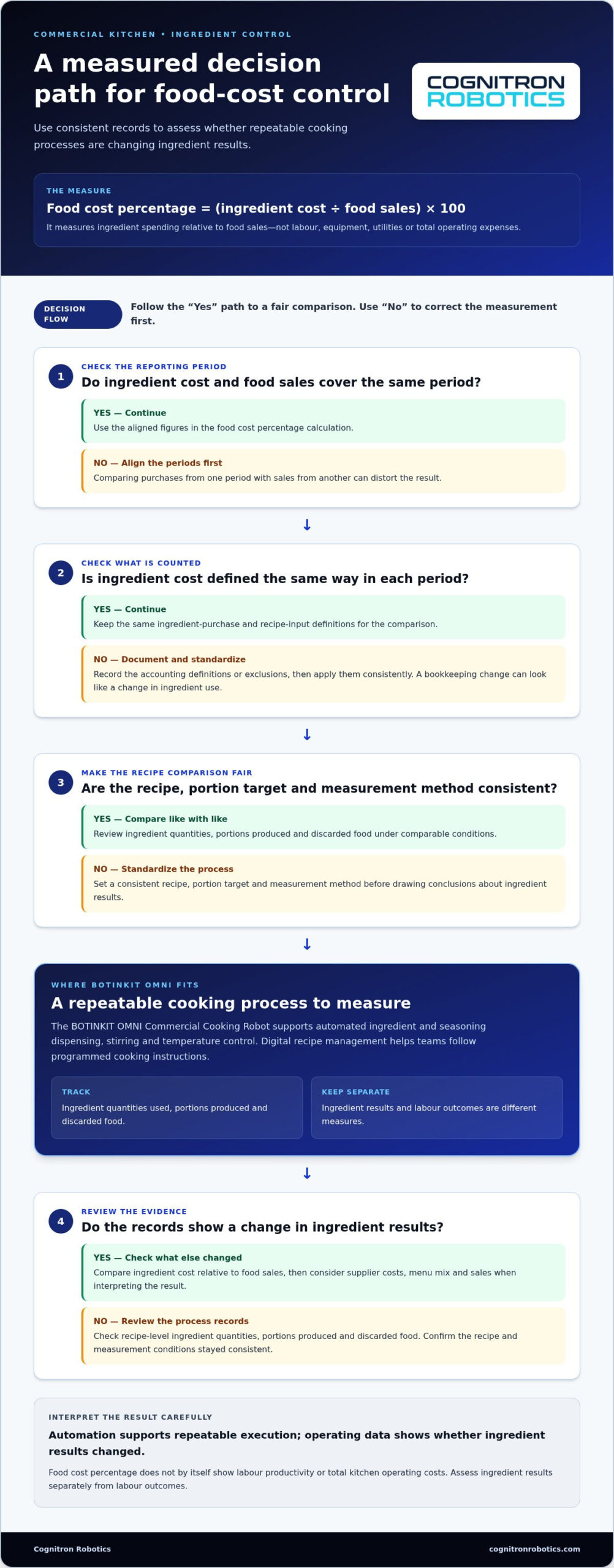
A reliable comparison starts before the automated process begins. Set a clear baseline, keep your calculation method unchanged and track relevant operational changes. This lets your team assess whether ingredient use shifted alongside automation without assuming the technology caused the result.
Use the same formula for each period:
Food cost percentage = (ingredient cost ÷ food sales) × 100
For a symbolic example, if ingredient cost is A and food sales are B, calculate (A ÷ B) × 100. Compare the resulting percentages, but do not treat a lower or higher figure as proof of a specific cause. Sales, purchasing and kitchen processes can all affect the measure.
Set a baseline that supports a fair comparison
Choose a defined reporting period and record which recipes and food sales it covers. Use the same ingredient-cost and food-sales definitions in every period. Before implementation, document the baseline calculation and the operating context around it.
Track changes that could affect the result independently of automation, including supplier changes, menu mix, demand, inventory timing and recipe updates. A consistent baseline gives kitchen and finance teams a sound reference point for later review.
Compare the periods step by step
- Set the baseline. Record the period, recipes, sales and ingredient-cost inputs included.
- Calculate the percentage. Divide ingredient cost by food sales for that period, then multiply by 100.
- Implement the cooking process. Record when automation begins and note any changes to recipe instructions, staff procedures or production conditions.
- Compare consistently. Apply the same formula and definitions to a comparable later period. Review ingredient quantities, yield, waste records and recipe compliance alongside the percentage.
Interpret the result without overclaiming
If the percentage moves, investigate why. A change may reflect ingredient use, sales, supplier conditions or a combination of factors. Check whether the same dishes and serving basis are being compared, and whether the kitchen followed the intended recipe process. A change that coincides with automation does not establish that automation caused it.
Review unusual movements with both kitchen and finance teams before drawing conclusions. Their combined view can help distinguish process observations from purchasing or sales effects. This makes reducing commercial kitchen food costs with automation a measurable operating question, not an assumed outcome.
Discuss your kitchen’s automation goals and the operational measures you plan to track.
Where BOTINKIT OMNI fits in a food-cost control plan
BOTINKIT OMNI can form part of a food-cost control plan when a kitchen wants to standardize repeatable stir-fry recipes and measure ingredient use against sales. The cooking robot automates stir-frying, ingredient and seasoning dispensing, stirring and temperature control. Digital recipe management supports consistent instructions across cooking cycles.
OMNI capabilities relevant to repeatable cooking
Operators define the recipes and parameters. OMNI follows the programmed instructions, including automated seasoning and stirring, while kitchen staff oversee preparation, check results and maintain responsibility for food quality. This creates a more consistent cooking process to evaluate, not an automatic reduction in ingredient use.
OMNI supports a maximum of 30 portions per batch. Illustrative Carbonara examples include 400 g in 3 minutes, 4 kg in 6 minutes and 8 kg in 8 minutes. These are cooking examples, not guaranteed timings for every recipe or kitchen condition.
Explore the BOTINKIT OMNI commercial cooking robot to review its capabilities in the context of your menu and production workflow.
Evaluate fit using your own operating measures
Start by identifying which menu items suit repeatable stir-frying and how those recipes fit your service flow. Set clear recipe instructions, then monitor execution and record ingredient quantities, portions produced and waste using the same method over comparable periods.
Track food cost percentage separately from labour outcomes. Compare ingredient cost with food sales using consistent definitions, and consider supplier changes, menu mix, demand and inventory timing before attributing a shift to automation. The kitchen automation results provided for OMNI offer broader operational context, but they do not prove a food-cost result for your operation. Your ingredient records and sales data establish that.
Reducing commercial kitchen food costs with automation depends on a measured process: standardize the cooking steps, monitor performance and assess ingredient results alongside the conditions that affect them. Kitchen teams remain central to recipe decisions and interpreting the evidence.
Contact Cognitron Robotics to discuss your kitchen and how OMNI’s cooking capabilities fit your operation.
Make food-cost control measurable
Reducing commercial kitchen food costs with automation starts with a clear baseline, consistent recipe execution and careful review of ingredient use against food sales. Food cost percentage gives your team a practical measure, but it needs consistent definitions and aligned reporting periods to support a fair comparison.
Compare the same recipes and serving basis before and after a process change. Review ingredient quantities, yield and waste alongside the percentage, and account for supplier changes, menu mix, demand and inventory timing. Keep labour outcomes separate: a change in labour productivity does not prove that ingredient use has changed.
For kitchens with repeatable stir-fry recipes, BOTINKIT OMNI combines automated ingredient and seasoning dispensing with digital recipe management to support consistent cooking steps. BOTINKIT reports over 6,000 units shipped and over 64 million dishes prepared. These figures provide product context, not proof of food-cost results for your operation. Your records will show how the process performs in your kitchen.
Contact Cognitron Robotics to discuss your kitchen’s automation goals. With a clear measurement plan and defined process controls, your team can assess automation and make informed decisions about consistent operations.
Frequently Asked Questions
How do you calculate food cost percentage in a commercial kitchen?
Divide ingredient cost by food sales for the same reporting period, then multiply by 100. The formula is: food cost percentage = (ingredient cost ÷ food sales) × 100. Use consistent definitions for which ingredient inputs count and which sales are included. This percentage measures ingredient spending relative to food sales, not labour, equipment, utilities or other operating expenses.
Can kitchen automation reduce food costs?
Kitchen automation can support ingredient control by standardizing repeatable cooking steps, but it does not guarantee a reduction in food cost. To assess reducing commercial kitchen food costs with automation, compare ingredient use and food sales before and after implementation using the same method. Account for changes in suppliers, menu mix, demand and inventory timing. Treat the results as operating evidence, not an assumed benefit of the technology.
Does automated cooking reduce ingredient waste?
Automated cooking can help teams follow consistent recipe instructions and dispense measured ingredients, making ingredient use easier to monitor. Waste reduction is a possible outcome to measure, not an assured result. Track quantities used, portions produced and discarded food using consistent definitions. Also consider whether menu demand, recipe changes or purchasing patterns shifted during the review period, since these can affect waste independently of cooking automation.
What is the difference between food cost percentage and labour cost?
Food cost percentage compares ingredient spending with food sales; labour cost tracks a separate operating measure related to staffing. Equipment, utilities and other expenses are separate as well. A change in labour productivity does not establish that ingredient spending changed. To assess food-cost results, compare ingredient records with sales data using consistent periods and definitions, then review labour outcomes separately.
How can I compare food cost percentage before and after automation?
Set a baseline period, document the recipes and sales included, and calculate the percentage as ingredient cost divided by food sales, multiplied by 100. After implementation, use the same definitions and a comparable reporting period. Review ingredient quantities, yield, waste and recipe compliance alongside the percentage. Note changes in suppliers, demand, menu mix or inventory timing, and do not treat correlation as proof that automation caused a change.
Can BOTINKIT OMNI prepare multiple portions in one batch?
Yes. BOTINKIT OMNI supports batch cooking of up to 30 portions per batch. It automates stir-frying with ingredient and seasoning dispensing, automated stirring, temperature control and digital recipe management. Operators define recipes, oversee preparation and assess results. To understand how batch cooking fits your operation, consider the recipes on your menu and compare ingredient use and food cost percentage using consistent records.