Repeated stirring and seasoning can turn a skilled cooking role into hours of repetitive motion. Reducing commercial kitchen physical strain with automation starts by identifying which tasks create that burden, then matching each task to a suitable intervention. Automation can handle defined, repeatable cooking steps while people retain judgement and oversight.
For operators, the challenge is balancing staff wellbeing with consistency, service demands and practical workflow needs. Equipment alone will not solve every ergonomic issue. Workstation layout, task sequencing and other process changes may also help. The goal is to reduce unnecessary physical repetition while keeping people involved in preparation, quality checks and decisions.
This article explains how to spot tasks that may benefit from ergonomic changes, compare workflow improvements with cooking automation, and assess whether an automated cooking system fits your operation. It also looks at the BOTINKIT OMNI AI Commercial Kitchen Robot, which supports automated stirring, seasoning and digital recipe management for defined cooking processes. You’ll see where these capabilities may support staff, and where human oversight remains essential.
Key Takeaways
- Separate repetitive cooking motions from lifting, reaching and prolonged standing to pinpoint where physical demands enter the workflow.
- Compare workstation and process changes with task-specific cooking automation. Consider the manual task addressed, staff involvement and fit with daily operations.
- Observe task repetitions, review site requirements and gather staff feedback before choosing an intervention.
- Reducing commercial kitchen physical strain with automation means targeting repetitive tasks while keeping staff responsible for judgement and oversight.
- See how the BOTINKIT OMNI AI Commercial Kitchen Robot uses automated stirring, seasoning and temperature control, alongside digital recipe management, for stir-frying.
What causes physical strain in commercial kitchens, and where can automation help?
Physical strain in commercial food preparation relates to the effort a task demands, particularly when work involves repeated movements, force, awkward posture or holding a position for an extended time. Ergonomics examines how work and the workplace fit the people doing the job. The ergonomics concept provides a useful starting point: assess the interaction between workers, tasks, tools and their environment rather than looking at one motion in isolation.
Kitchen demands vary. A cook may stir a pan repeatedly or make frequent seasoning and temperature adjustments. Other tasks involve lifting and carrying ingredients, reaching across a station or standing for long periods. Task-level automation may take over selected cooking motions, but it will not address every physical demand. Review the wider workflow as well as the individual task.
To see an example of kitchen automation in operation, watch this video from EssEmm Corporation:
Which kitchen tasks can make work physically repetitive?
Look for motions that recur throughout a shift, such as stirring successive batches, repeatedly adding seasoning or making frequent temperature adjustments while cooking. For each task, note the steps involved, how often it occurs, how long it lasts and how staffing changes across service periods. This record helps distinguish work that may suit automation from demands better addressed through a workflow or workstation change.
What does an ergonomic solution aim to change?
An ergonomic review considers the task, workstation, tools and workflow together. The Canadian Centre for Occupational Health and Safety presents ergonomics as fitting the job to the worker, a useful way to frame adjustments to how work is organized and performed. An intervention might change a workstation arrangement or reduce a repeated manual motion. The aim is to improve the work process, not remove kitchen staff or transfer their judgement to a machine.
Task-specific ergonomic automation assigns a defined, repetitive motion to a system while staff retain oversight of the cooking process. This can make automation relevant to repeated stirring or seasoning, but it does not by itself resolve lifting, carrying, reaching or prolonged standing. Reducing commercial kitchen physical strain with automation therefore starts by observing the whole job, identifying the task to change and checking that the technology fits the wider operation.
How can commercial kitchen automation change repetitive cooking work?
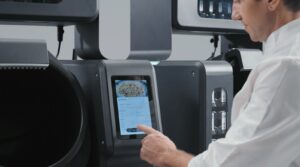
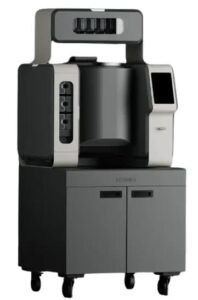
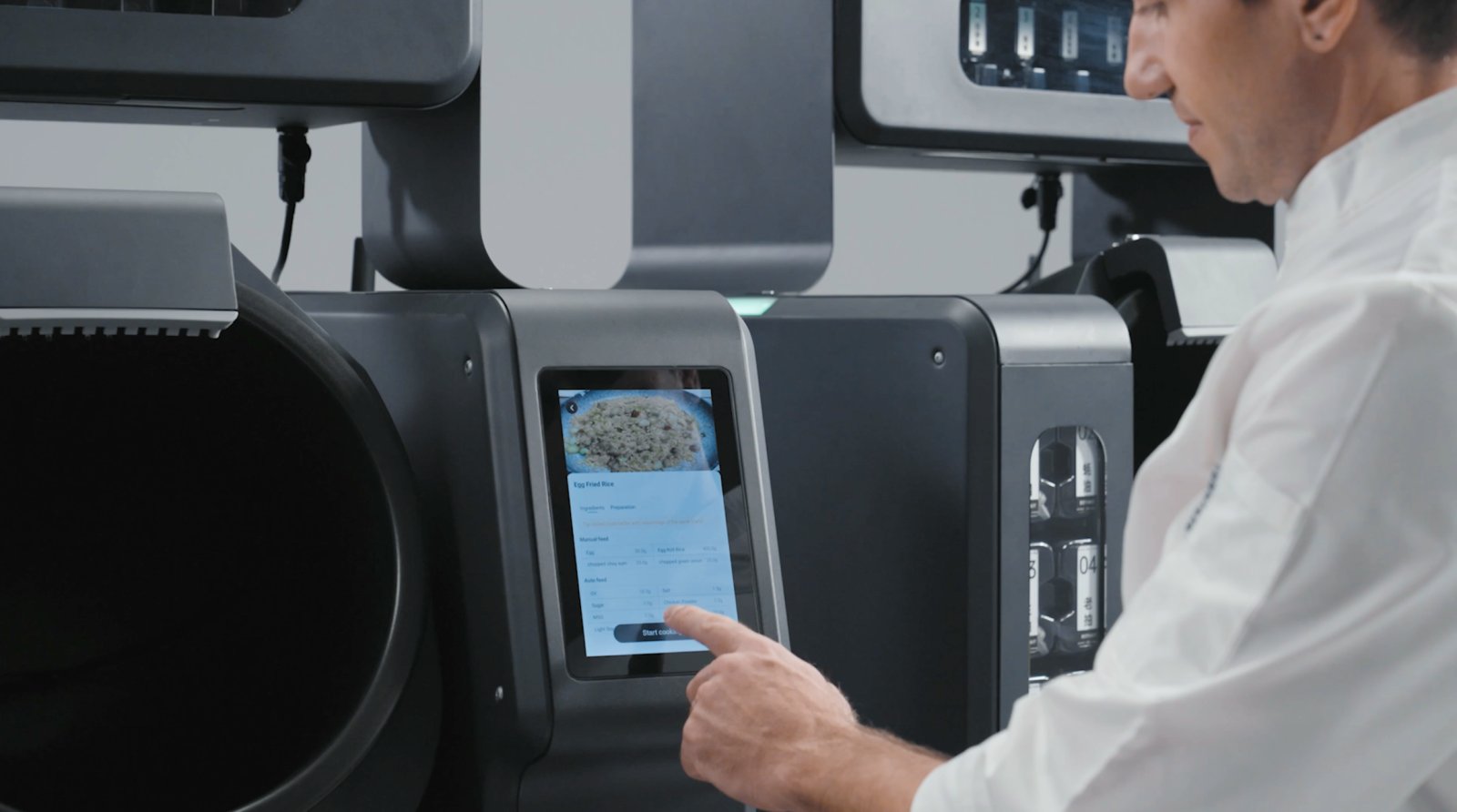
Once a kitchen has identified a repeated cooking motion, consider whether a system can take over that defined step within the existing process. The BOTINKIT OMNI AI Commercial Kitchen Robot is designed for commercial stir-frying, with auto stir, auto seasoning and temperature control. During a programmed cooking process, these features can perform selected actions without a staff member continuously stirring or applying each seasoning addition by hand.
OMNI’s auto stir feature performs the programmed stirring motion, while auto seasoning and temperature control support repeatable steps in selected stir-fry recipes. These capabilities change who or what performs particular actions. They do not guarantee an ergonomic result, eliminate all repetitive work or remove the need for staff oversight.
What changes when stirring and seasoning are automated?
For a suitable stir-fry task, automated stirring can take over the repeated motion during the programmed process, and automated seasoning can follow recipe instructions. Staff remain responsible for supervising the cooking and managing the wider service workflow. Depending on the kitchen’s priorities, they may be able to direct attention to preparation, checking the process or other assigned tasks. Any reassignment should reflect the team’s actual workflow and responsibilities.
Automation has a defined scope. It may address a repeated cooking motion, but it does not resolve other demands such as lifting, reaching or prolonged standing. The Work-related musculoskeletal disorders resource from the U.S. Occupational Safety and Health Administration outlines physical demands found in food-service work. Use it as background, not as a substitute for assessing Canadian workplace requirements or the conditions in your own kitchen.
How can digital recipe management support consistent work?
Digital recipe management gives teams stored instructions for supported recipes. Paired with OMNI’s cooking functions, it can guide selected steps, including stirring, seasoning and temperature control. This can support a repeatable process across preparations, while staff oversee the work and use their judgement when the recipe or service situation calls for it.
For operators reducing commercial kitchen physical strain with automation, the practical test is task fit: does the system perform a motion staff currently repeat, and can the cooking process be supervised within the kitchen’s workflow? Review the BOTINKIT OMNI cooking robot for details on its confirmed cooking capabilities, then compare those functions with the specific tasks your team wants to change.
Automation or workflow redesign: which ergonomic solution fits the task?
The right intervention depends on where the physical demand occurs. A workstation or workflow adjustment can address awkward handoffs, unnecessary reaching or a poorly sequenced task. Cooking automation has a narrower role: it can perform selected cooking actions, such as automated stirring, when those actions match the system’s capabilities. The approaches can complement each other, but a cooking robot will not solve every source of physical strain.
The U.S. Occupational Safety and Health Administration’s guidance on work-related musculoskeletal disorders discusses food-service demands such as repetitive movement, lifting and reaching. Use it as a reference for observing tasks, not as a substitute for assessing your kitchen’s conditions and applicable Canadian requirements.
| Option | Manual task addressed | Staff involvement | Operational fit |
|---|---|---|---|
| Workflow or workstation adjustment | Reaching, handoffs, task sequence or other local process demands | Staff continue the work using an adjusted setup or process | Consider when the issue sits outside a cooking motion or may be improved by changing how work is organized |
| Task-specific cooking automation | Selected repeated cooking steps, such as stirring or seasoning | Staff oversee the process and retain responsibility for judgement | Consider when the repeated step matches the system’s confirmed capabilities and suits the kitchen’s workflow |
When might a workflow adjustment be the first step?
Map the task sequence before selecting technology. Note who handles each step, where ingredients and handoffs occur, and when delays or unnecessary movements arise. A change to task order or local workflow may better address reaching, carrying or coordination demands than cooking automation. Review the revised process with staff to check that it fits actual service routines.
When might automated cooking be worth evaluating?
Assess automation when a repeated cooking step aligns with a confirmed function. The BOTINKIT OMNI supports automated stir-frying with automated stirring, auto seasoning, temperature control and digital recipe management. Consider whether those functions suit the recipes and service process, how staff will supervise the cooking, and whether the site can accommodate the system. For more on its application, read the automated stir-fry cooking system guide.
Reducing commercial kitchen physical strain with automation starts with matching the intervention to the task, not assuming one solution fits the whole kitchen. Workflow changes can address demands beyond cooking; task-specific automation can support selected repeated motions. Evaluate them together where needed, with staff involved in the decision and oversight.
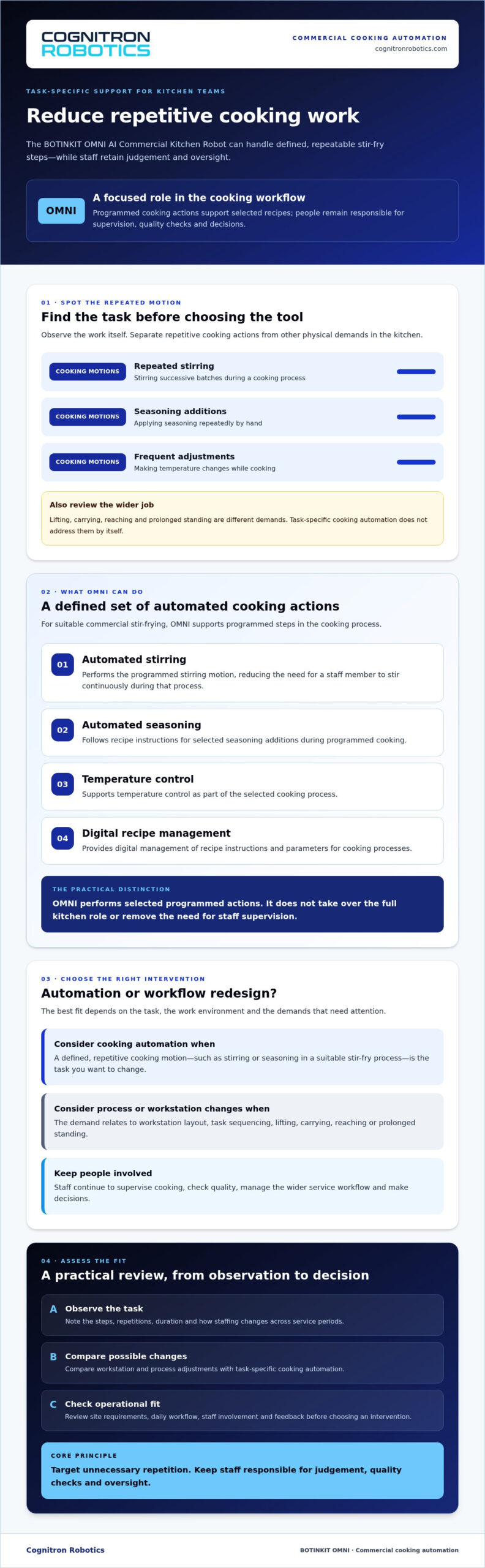
How to assess ergonomic automation in your commercial kitchen
A practical assessment connects a repeated task to a confirmed capability, then checks whether the system fits the site and workflow. Include the people who perform and supervise the work. Their feedback can reveal process details a task list alone may miss.
- Observe the task. Watch the cooking process during representative service periods. Note each step, who performs it and where staff oversight is needed.
- Map repetitions. Record the motion, how often it occurs, how long it lasts, the recipe involved and staffing patterns. This creates a useful baseline for evaluating a proposed change.
- Match the task to a capability. Compare the observed work with confirmed functions such as auto stir, auto seasoning, temperature control and digital recipe management. Flag any need outside those capabilities for confirmation rather than assuming the robot can perform it.
- Review site fit. Check the documented electrical, water, exhaust and space requirements with qualified project contacts before planning an installation.
- Evaluate with staff. Gather feedback on workflow, supervision and the tasks staff would handle if a repeated cooking motion were automated. Keep human oversight and judgement in the proposed process.
How do you match a task to an automation capability?
Be specific. A task record might describe a recipe, its repeated stirring or seasoning steps, how often it is prepared and the team members responsible for monitoring it. Compare those details with OMNI’s confirmed functions. If the task involves an unconfirmed action, mark it for review. Do not infer capability from a general claim about automation.
What should operators confirm before a site assessment?
Review the documented technical requirements with qualified project contacts. OMNI’s stated electrical configuration is 220 V, 3-Phase, 5-wire, with maximum electrical power ratings of 12 kW (24 A) and 15 kW (30 A), and 2 kW per unit. The stated water pressure is 200-350 kPa, and hood exhaust air volume must be greater than 3000 m³/h per OMNI unit.
Check the intended area against the confirmed dimensions: 1769 mm high, 827 mm wide and 920 mm deep. Use these specifications as planning inputs, then verify the actual site configuration. Include staff in the review so the proposed setup reflects real work practices and leaves clear responsibility for supervision.
Reducing commercial kitchen physical strain with automation requires both task fit and site fit. Discuss an OMNI assessment with the team to review how the system’s confirmed capabilities align with your cooking process and technical requirements.
How BOTINKIT OMNI supports staff with automated cooking
The BOTINKIT OMNI AI Commercial Kitchen Robot is a task-specific system for automated stir-frying, not a universal solution for every source of physical strain in a kitchen. Its role is to perform selected cooking steps through confirmed functions, while staff remain responsible for preparation, supervision and decisions that call for human judgement.
For teams reducing commercial kitchen physical strain with automation, the key question is whether OMNI’s capabilities match a repeated task in the current workflow. Automation can change who performs a defined action; it does not remove the need to assess other physical demands or plan staff oversight.
Which repetitive cooking steps can OMNI automate?
OMNI’s auto stir function performs stirring as part of an automated stir-fry process. Auto seasoning applies seasoning according to programmed instructions, while temperature control supports the programmed cooking steps. Digital recipe management provides instructions for selected processes. Together, these functions can take over specific repeated actions, rather than every task involved in preparing a dish.
Confirmed features also include auto dishing up and auto cleaning. Their presence can inform an operational review, but operators should confirm how each function applies to their intended recipes and workflow. OMNI supports batches of up to 30 portions. Staff still need to prepare and manage the process, monitor cooking and apply their judgement where required.
How can operators explore whether OMNI fits their workflow?
Start with the recipes and cooking steps you want to assess. Identify which actions are repeated, who currently performs them, and what supervision or decisions the process requires. Then compare those needs with OMNI’s confirmed functions. Review technical requirements and site fit before deciding whether the system suits the operation. Do not assume a capability or configuration that has not been confirmed.
This task-by-task approach keeps people central. Staff can retain responsibility for ingredient preparation, process oversight and decisions about the food, while automated cooking supports specific programmed steps. The operational value depends on the match between those steps, the recipes and the kitchen’s working process, not on the presence of automation alone.
Review the BOTINKIT OMNI commercial cooking robot to explore its confirmed capabilities. To assess task fit, recipes and technical requirements with the team, Contact Cognitron Robotics to discuss your kitchen’s needs.
Make your next kitchen improvement task-specific
Reducing commercial kitchen physical strain with automation starts with understanding the work: identify repeated cooking motions, assess the wider workflow and choose an intervention that fits the task. Workflow adjustments can address demands beyond cooking, while an automated cooking system may support selected steps without replacing staff judgement or oversight.
The BOTINKIT OMNI AI Commercial Kitchen Robot is designed for automated stir-frying, with automated stirring, automated seasoning, temperature control and digital recipe management. These capabilities target defined cooking processes, not every physical demand in a kitchen. BOTINKIT reports over 6,000 units shipped, and product information reports over 64 million dishes prepared.
Bring your team’s recipes, task observations and site requirements into the assessment. A focused review can help determine whether OMNI’s capabilities align with your workflow and where staff remain central to preparation and supervision.
Contact Cognitron Robotics to assess your kitchen’s automation needs and discuss whether OMNI’s confirmed capabilities fit your operation.
Frequently Asked Questions
Can automation reduce physical strain in a commercial kitchen?
Automation may take over selected repetitive tasks when a system’s capabilities match the work. For operators focused on reducing commercial kitchen physical strain with automation, first identify the specific motion, such as stirring during a programmed cooking process. Then assess whether the technology can perform that step. Automation does not address every source of physical demand or replace ergonomic review, workflow planning or staff oversight.
What kitchen tasks can a cooking robot automate?
The BOTINKIT OMNI supports automated stirring, automated seasoning and temperature control during cooking. These functions apply to programmed processes, so operators should check whether their recipes and task requirements fit the system. Staff still manage responsibilities outside those automated steps, including preparation and supervision. Validate the recipes and intended workflow with the provider rather than assuming the robot automates all food preparation.
Does kitchen automation replace commercial kitchen staff?
No. Task-specific cooking automation performs defined steps, while staff remain involved in preparation, supervision, service and decisions that require human judgement. The division of work depends on the kitchen, recipe and operating process. Assess automation as a way to support the team and help standardize selected cooking steps, not as a promise of staffing reductions or a replacement for skilled oversight.
How should a restaurant decide whether cooking automation suits its kitchen?
Document repeated cooking tasks, recipe requirements, staff responsibilities and workflow constraints. Compare those observations with the robot’s confirmed capabilities, then review site requirements and involve the team in evaluating how the process would work. A product demonstration or technical discussion can help clarify task fit. It cannot establish that the system suits every kitchen, so base the decision on your operation’s specific needs.
What technical requirements should operators check before installing OMNI?
Confirm the documented requirements with the provider and qualified project contacts: 220 V, 3-Phase, 5-wire; maximum power ratings of 12 kW (24 A) and 15 kW (30 A); 2 kW per unit; water pressure of 200-350 kPa; and hood exhaust greater than 3000 m³/h per unit. OMNI measures 1769 mm high, 827 mm wide and 920 mm deep. this product supports the electrical requirements of different countries and regions; specific specifications may vary by sales area.
Can OMNI help keep cooking results consistent while reducing repetitive tasks?
OMNI combines automated stirring, automated seasoning, temperature control and digital recipe management to support repeatable cooking processes. These confirmed capabilities do not guarantee identical results or reduced physical demands in every operation. Recipe fit, staff oversight and the kitchen’s process remain important. Discuss your recipes and workflow with the provider to assess how OMNI’s functions align with the cooking steps your team wants to change.