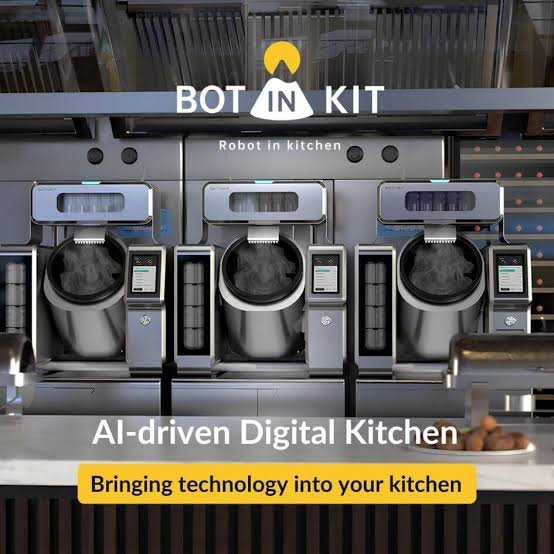
Can precision cooking make results more consistent across shifts without taking expertise out of the kitchen? That’s the practical question behind commercial kitchen cooking robots. Repetitive cooking tasks take time, and results can vary with staffing and experience. Automation can standardize programmed steps, but it doesn’t remove the need for people to oversee quality, adapt recipes and deliver service.
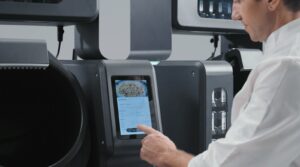
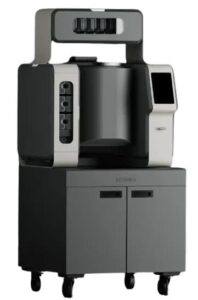
The BOTINKIT OMNI shows how selected cooking tasks can be automated. Its Auto Seasoning, Auto Stir and Auto Temperature Control features support repeatable execution of programmed recipes, while digital recipe management gives teams consistent instructions to work from. The system supports kitchen staff, rather than replacing their judgement or creativity.
This article separates realistic capabilities from common overclaims. You’ll learn what precision cooking means in day-to-day operations, which tasks an automated system may handle, and what still depends on your team. We’ll also cover practical questions about your menu, workflow and technical environment to help you assess whether a cooking robot fits your kitchen.
Key Takeaways
- Precision cooking standardizes defined steps, but ingredient variation and service conditions can still affect the final dish.
- Assess commercial kitchen cooking robots by the tasks they automate, not by broad promises of identical results.
- Map ingredient preparation, staff handoffs, serving patterns and quality checks to identify where automation may fit your workflow.
- Use established recipes and menu needs to evaluate whether a cooking robot can support your team without replacing human judgement.
What Precision Cooking Means in Professional Kitchens, and What It Does Not
Precision cooking is the controlled, repeatable execution of defined cooking steps and parameters. In a professional kitchen, that could mean following a set sequence for stirring, seasoning or temperature management when preparing a menu item. The aim is to make the process more consistent, not to promise that every dish will be identical.
Ingredients and service conditions can vary, and staff decisions still affect the finished plate. Commercial kitchen cooking robots can help standardize programmed tasks, but precision isn’t the same as fully autonomous cooking. Kitchen teams remain responsible for oversight, quality and the choices that shape the food.
For a visual example of a commercial cooking robot, watch this video:
What does precision cooking control?
Precision cooking means repeating programmed cooking steps with control; it doesn’t mean a system independently makes every culinary decision. Depending on the system, programmed actions may include automated stirring, seasoning or temperature control. The BOTINKIT OMNI, for example, features Auto Stir, Auto Seasoning and Auto Temperature Control to support programmed recipe execution.
Those functions don’t determine whether a dish needs more acidity, how it should be plated or whether a recipe should change to suit the day’s ingredients. Chefs and kitchen staff make those calls. The robot carries out specified tasks; people define and review the work. For a general overview of robot use in restaurants, see Automated restaurant.
Why do professional kitchens care about repeatability?
Established recipes give teams a shared reference for recurring preparation. When the same steps are carried out in a consistent sequence, staff can follow a clearer routine across shifts and focus on work that still needs human judgement, such as checking ingredients, tasting and presentation.
Repeatability supports predictable execution, but it doesn’t guarantee identical dishes or service outcomes. Ingredients, preparation and operating conditions still matter. Think of precision as control over a process, not control over every variable. That distinction helps operators assess whether a system fits their menu and workflow. Learn more about the BOTINKIT OMNI AI Commercial Kitchen Robot as an example of task-focused cooking automation.
How Commercial Kitchen Cooking Robots Support Repeatable Cooking
Repeatable cooking depends on more than a machine. Teams need a defined recipe, prepared ingredients and a clear sequence of steps. A cooking robot can carry out specified actions during that sequence, while staff prepare the inputs and check the finished dish. This can make recurring tasks easier to follow without assuming every variable is automated.
How do automated cooking steps work together?
A workflow can start with selecting a recipe and preparing its ingredients. The system then carries out programmed cooking steps, and a team member reviews the dish before it moves into service. Capabilities vary by system, so operators should confirm which actions it performs rather than assume all robots work the same way.
The BOTINKIT OMNI provides one example. Its Auto Stir, Auto Seasoning and Auto Temperature Control features support programmed recipe execution. Stirring and seasoning follow specified instructions, while temperature control manages one part of the cooking process. None of these features alone guarantees a particular taste, texture or finished result.
Controlled cooking steps make recipe execution more repeatable, while staff remain responsible for preparation and checking the dish. This distinction helps operators assess whether an automated task suits a menu item, rather than expecting the system to manage an entire kitchen workflow. For a practical comparison of how these automated steps differ from traditional methods, see this BOTINKIT vs manual wok cooking case study examining recipe repeatability and operator involvement.
What does digital recipe management add?
Digital recipe management stores recipe instructions and parameters for staff to refer to when preparing an established dish. A defined procedure can make the sequence easier to repeat, particularly for tasks that recur during service.
A stored recipe is not a substitute for good inputs or oversight. Staff still need to prepare ingredients, follow appropriate kitchen procedures and assess the finished food. A recipe record also doesn’t establish that every ingredient or service condition will be identical.
Before assessing the BOTINKIT OMNI AI Commercial Kitchen Robot, map which recipe steps are repetitive and which require a cook’s judgement. Consider how the changes affect the people doing the work, too. The USC Viterbi School of Engineering discusses the social implications of robots in restaurants, a useful perspective alongside operational fit. For broader system-selection context, consult a robotic restaurant cooking buyer’s guide and compare its criteria with your menu, workflow and technical environment.
Does Precision Cooking Mean Less Skill, Less Flavour, or Fewer People?
Automation can change who performs a task without removing the expertise behind the dish. Commercial kitchen cooking robots may handle specified, repeatable actions, but kitchen teams still shape recipes, prepare ingredients, monitor results and respond when something differs from plan. The practical question is how to assign repetitive work while keeping skilled staff involved in decisions that affect food and service.
Can a cooking robot replace a chef’s judgement?
No. A robot can follow programmed instructions for tasks such as stirring, seasoning or temperature control, but it can’t take responsibility for the full culinary process. Chefs and cooks develop menus, taste and adjust dishes, decide how food should be presented, and handle exceptions such as an ingredient that behaves differently than expected.
That division calls for staff training, not less expertise. Team members need to understand the programmed process, know what to monitor and recognize when a dish needs attention. Quality checks remain part of the workflow. Automation supports the kitchen team by carrying out defined steps; people retain responsibility for judgement and the guest experience.
Does automated cooking guarantee better flavour?
No. Following the same instructions can make a cooking process more repeatable, but it doesn’t guarantee food quality or that guests will prefer the result. Flavour depends on ingredient characteristics, recipe design and execution. Even when steps are programmed, variation in ingredients or preparation can affect what ends up on the plate.
Set your own standards. Taste dishes prepared through the proposed workflow, assess appearance and texture, and check that the results meet your menu requirements. If a recipe needs adjustment, the culinary team should lead that decision. A system can carry out revised instructions, but it doesn’t replace the testing and judgement that make a dish work.
Before implementation, identify which recurring tasks could be programmed and where staff must supervise, taste or intervene. The BOTINKIT OMNI AI Commercial Kitchen Robot is one example to assess against those needs. For further operational context, consult a robotic cooking for food service implementation guide and consider how training, monitoring and quality checks will fit into your workflow.
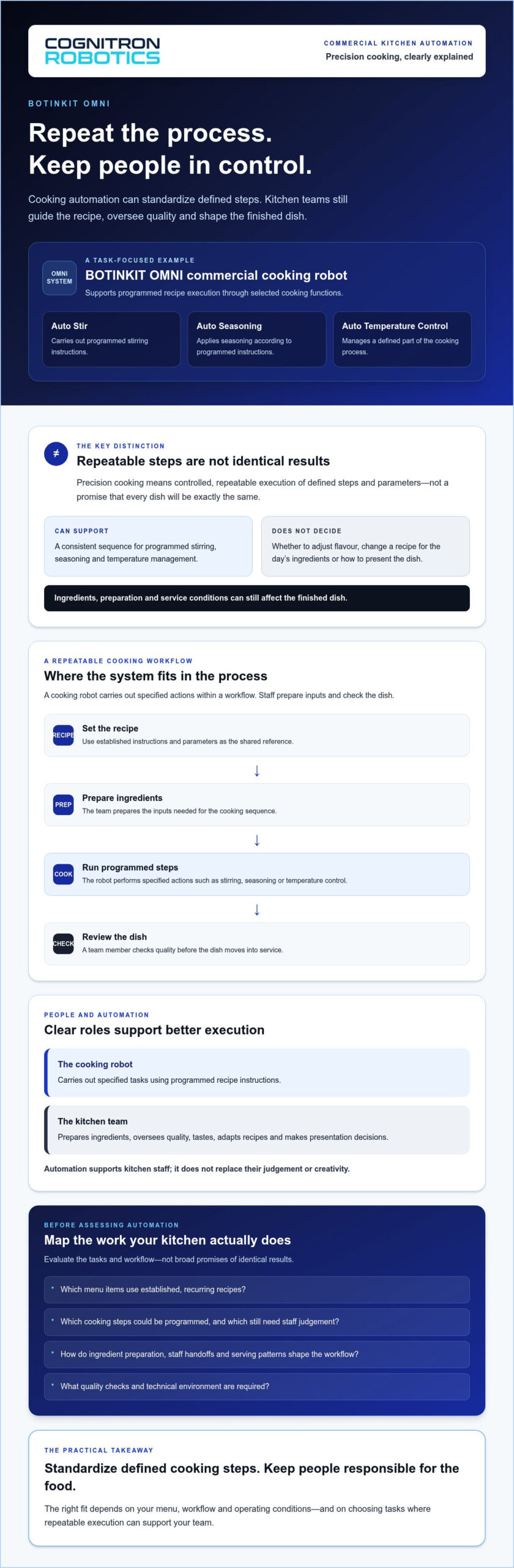
How to Assess Precision Cooking in Your Kitchen Before Automating
Start with your menu and workflow, not a feature list. Commercial kitchen cooking robots are most relevant when a dish has established instructions and recurring cooking steps that a system can perform consistently. Map how ingredients are prepared, who loads and monitors the cooking process, when portions are needed, and who checks the finished dish. This reveals whether automation addresses an operational need or adds a handoff your team must manage.
Which menu and workflow questions should operators answer?
Review the recipes you prepare repeatedly. Could a dish suit batch cooking, or does it rely on frequent changes and hands-on judgement? Note typical portion sizes, production cycles and serving patterns. Then compare those needs with the confirmed capacity examples for the BOTINKIT OMNI:
- 400 g for one portion
- 4 kg for 10 portions
- 8 kg for 20 portions
OMNI supports single servings up to 30 portions at once. The examples above can help frame a capacity assessment, but they don’t replace checking the intended recipe, batch size and service plan. Also document ingredient preparation, staff handoffs and quality checks. A system may perform a cooking task, while people remain responsible for preparing inputs and reviewing the result.
What technical requirements should be checked?
Confirm the site’s technical environment and the sales-area specification before selecting or installing a system. For the BOTINKIT OMNI, the recommended electrical box configuration is 220 V, 3-Phase, 5-wire. The confirmed maximum electrical power ratings are 12 kW (24 A) and 15 kW (30 A); each unit requires 2 kW. Confirm which maximum rating applies to the configuration under consideration.
- Water pressure: 200-350 kPa
- Hood exhaust air volume: > 3000 m³/h per OMNI unit
This product supports the electrical requirements of different countries and regions; specific specifications may vary by sales area.
Use these checks to build a shortlist of suitable recipes and identify questions for your supplier. Contact Cognitron Robotics to discuss the BOTINKIT OMNI against your menu and technical environment before making an implementation decision.
Where an AI-Powered Cooking Robot Fits, and Where People Lead
An AI-powered cooking robot is best assessed as a system for defined cooking tasks, not as a universal answer for every menu or kitchen. The BOTINKIT OMNI automates specific actions, but its fit depends on whether those actions match your recipes, serving patterns and workflow. Kitchen staff still prepare ingredients, oversee cooking and decide whether each finished dish meets your standards.
How can operators evaluate OMNI against their needs?
Start with representative menu items. Identify which cooking steps are repeatable and compare their requirements with OMNI’s confirmed functions: Auto Seasoning, Auto Stir, Auto Temperature Control and Auto Dishing Up. Consider how portions are served and where staff need to check, adjust or take over. This gives you a practical basis for judging fit, rather than assuming every menu item can be automated.
Review the confirmed cooking robot features and ask which product details apply to the configuration you’re considering. Before planning implementation, confirm site readiness and the specifications for your sales area. Don’t assume that a feature or requirement applies universally across all configurations.
What should a practical next step look like?
Bring specific information to a product discussion. A short preparation list can help your team focus the assessment:
- Representative recipes and the cooking steps you want to assess
- Expected portion sizes and serving patterns
- Ingredient preparation, staff handoffs and quality checks
- Questions about the site’s technical environment and applicable sales-area specifications
Use that information to discuss where automated steps could support your team and where human oversight remains essential. This keeps the evaluation grounded in your actual operation rather than broad claims about commercial kitchen cooking robots.
For a focused discussion of your menu and operational requirements, contact the Cognitron Robotics team. Bring your workflow questions and site requirements to assess whether the BOTINKIT OMNI is a practical fit for your kitchen.
Put Precision Cooking to Work in Your Kitchen
Precision cooking is about repeating defined steps, not guaranteeing identical dishes in every circumstance. Commercial kitchen cooking robots can support consistency by carrying out programmed tasks, while kitchen teams retain responsibility for ingredient readiness, taste, presentation and quality checks. Start by identifying recurring recipes and deciding where controlled execution could support your workflow.
The BOTINKIT OMNI features automated seasoning, stirring and temperature control. These capabilities can support programmed cooking steps, but they don’t replace staff judgement or make every recipe a fit. OMNI has shipped over 6,000 units globally, giving operators a specific product to assess against their menu and technical environment.
Use that assessment to clarify which tasks could be automated, what your team must oversee and which site requirements need confirmation. A practical review can help you evaluate consistency, workflow fit and the role of your staff before making a decision. Contact Cognitron Robotics to discuss precision cooking in your kitchen and take the next step with a clear understanding of your operational needs.
Frequently Asked Questions
Is precision cooking the same as fully automated cooking?
No. Precision cooking means controlling and repeating defined steps, such as stirring, seasoning or temperature settings. A cooking robot may automate selected actions, but that doesn’t mean every stage of food preparation happens automatically. Staff still prepare ingredients, supervise the process, assess the finished dish and handle exceptions. Check which specific tasks a system performs, then map them against your kitchen’s workflow and quality checks.
Can a cooking robot maintain consistent results across shifts?
A cooking robot can repeat programmed actions, which may help teams follow a recipe more consistently across shifts. It can’t ensure identical results: ingredient preparation, recipe instructions, system setup and staff oversight all affect the outcome. Before relying on automation during service, test representative dishes under your operating conditions. Set clear quality checks so staff can review results and respond when a dish doesn’t meet your standards.
Does a commercial kitchen cooking robot replace chefs or kitchen staff?
No. Commercial kitchen cooking robots can perform specified, repetitive cooking actions, but they shouldn’t be presented as a replacement for skilled people. Staff remain responsible for recipe development, ingredient readiness, tasting, presentation, quality control and responding to unexpected conditions. The practical goal is to assess how automation could support your existing team and workflow, while preserving human oversight where culinary judgement matters.
How does digital recipe management support precision cooking?
Digital recipe management stores and distributes computerized recipe instructions and parameters. Paired with a system that can carry out defined steps, it gives staff a consistent procedure to follow for recurring dishes. It doesn’t guarantee a preferred flavour or finished-dish quality. Teams still need to check ingredients, review each dish and update instructions when a recipe or operating process changes. Treat the digital recipe as a controlled reference, not a substitute for oversight.
What should a restaurant assess before installing an AI-powered cooking robot?
Start by assessing menu fit, repeatable cooking tasks, portion expectations, ingredient preparation, staff handoffs and quality checks. Then confirm the proposed product’s requirements against your site’s technical environment and applicable sales-area specifications. This product supports the electrical requirements of different countries and regions; specific specifications may vary by sales area. Ask the provider to clarify which specifications apply before planning an installation or making an operational decision.
Can OMNI cook more than one portion at a time?
Yes. The product information states that OMNI supports single servings up to 30 portions at once. It gives Carbonara examples of 400 g for one portion, 4 kg for 10 portions and 8 kg for 20 portions. These examples don’t establish an unlisted quantity for every recipe or batch. Confirm the intended dish, portion size and operating requirements with the provider before planning production.
What cooking tasks can the BOTINKIT OMNI automate?
Confirmed OMNI features include Auto Seasoning, Auto Stir, Auto Temperature Control, Auto Voice Guide, Auto Dishing Up and Auto Cleaning. The system also includes digital recipe management. These are listed capabilities, not a guarantee that every recipe, ingredient or workflow is suitable. Assess the specific dishes and processes you intend to use, and confirm how each feature applies to your planned operation.